ART ::: PRINTMAKER :::

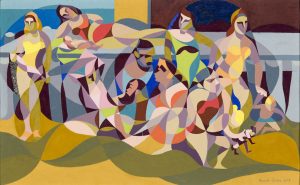
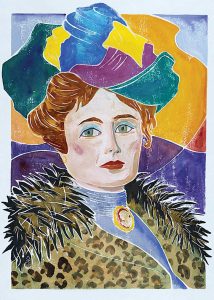
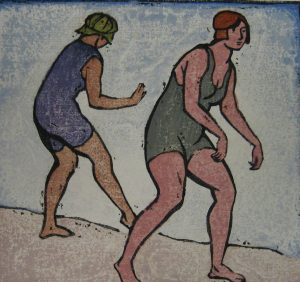
Bill Evoul is recognized as a leading figure in the White Line movement, which is a distinctive printmaking technique that originated in Provincetown, Massachusetts, during the early 20th century. This movement is characterized by its unique approach to color and form, allowing artists to create vibrant images using a single block of wood. The technique involves carving a design into a wooden block and applying different colors to various sections of the block before printing on paper. This method allows for a more spontaneous and expressive representation compared to traditional printmaking techniques.
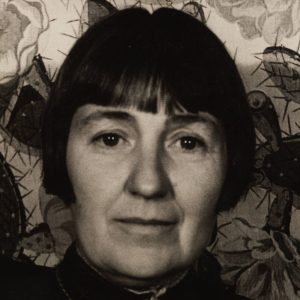
The White Line movement emerged around 1915 and was heavily influenced by the artistic community in Provincetown, where many artists sought to break away from conventional styles. The term “White Line” refers to the uninked areas of the woodblock that separate colors, creating outlines that define shapes within the print. This technique was popularized by artists such as Blanche Lazzell and Ethel Mars, who were instrumental in developing this style.
Bill Evoul’s contributions to this movement are significant due to his role as both an artist and an educator. His expertise in printmaking has helped preserve and promote the techniques associated with the White Line style. As a former director of The Provincetown Art Association and Museum (PAAM), he played a crucial role in fostering an appreciation for this art form among new generations of artists and art enthusiasts.
As a leading printmaker himself, Bill Evoul has not only practiced but also taught various aspects of printmaking, including the intricacies of the White Line technique. His work often reflects a deep understanding of color theory and composition, which are essential elements in creating successful prints using this method. By engaging with students and fellow artists at PAAM, he has contributed significantly to the ongoing dialogue about contemporary printmaking practices while honoring historical techniques.
Evoul’s exhibitions have showcased both his own work and that of other prominent figures within the White Line movement. Through these exhibitions, he has highlighted how this technique can be adapted to modern themes while still respecting its roots in early 20th-century American art.