ART ::: ILLUSTRATOR :::

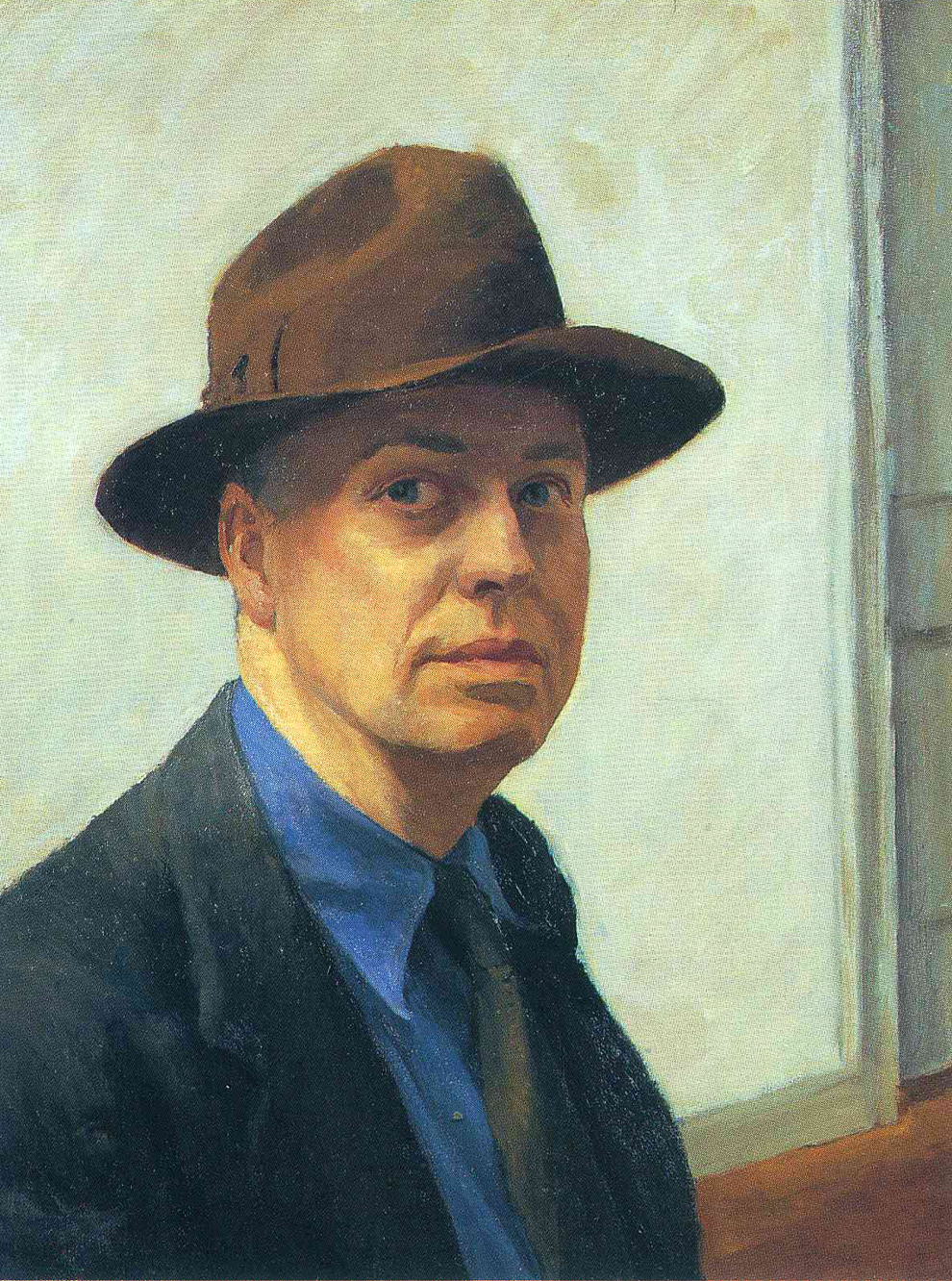
Few artists have captured the emotional landscape of America as powerfully as Edward Hopper. His paintings of quiet streets, weathered houses, lonely diners, and solitary figures transformed ordinary places into unforgettable works of art. Hopper understood that what isn’t happening can be just as compelling as what is.
Although born in New York, Hopper found one of his greatest sources of inspiration on the Outer Cape. Beginning in 1930, he and his wife, Josephine “Jo” Hopper, spent their summers in South Truro before building a home and studio there in 1934. For more than three decades, the Cape’s extraordinary light, architecture, dunes, and shoreline became the inspiration for many of his most celebrated paintings.
What makes Hopper’s work endure isn’t simply his technical mastery. It’s his ability to reveal the quiet drama hidden within everyday life. A porch, a window, a road, a lighthouse, or a house standing alone against the sky all became stages for imagination. His paintings invite us to slow down, look a little longer, and discover that stillness can tell a story every bit as powerful as action.
As Camp Provincetown looks toward Provincetown 300, Edward Hopper reminds us that Provincetown’s greatest gift has always been giving artists the freedom to see the familiar in entirely new ways. Every generation finds its own subjects. Every generation discovers its own light. The invitation to look more deeply remains the same.