ART ::: PAINTER :::
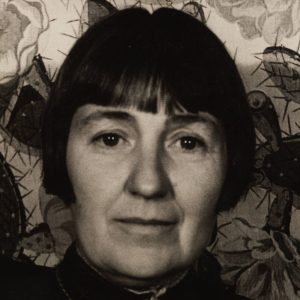
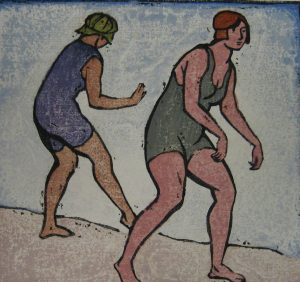
Josephine Nivison Hopper was not an accessory to American art—she was forged inside it. Trained under Robert Henri at the New York School of Art, she absorbed the Ashcan commitment to real life over idealism: people in rooms, light on walls, emotion without spectacle. Before she ever married Edward Hopper, Jo was exhibiting, working, and moving through the same serious circles shaping modern American painting. She wasn’t discovered—she was already there.
When she and Hopper reconnected in Gloucester in 1923 and married the following year, Jo became the engine behind the man history would remember. She pushed him to show the watercolors that helped unlock his early success, kept meticulous records of every painting, and served as his primary model—again and again, transformed into the women we now read as anonymous. Their marriage was intense, documented in her diaries as emotionally volatile, but creatively inseparable. What we call “Hopper” is built on Jo’s presence—her body, her discipline, her insistence that the work matter.
And then—the Outer Cape. Cape Cod, especially their home in South Truro, becomes the stage where everything distills: light, geometry, distance, silence. From nearby Provincetown to the dunes beyond, Jo is everywhere in the work—standing in doorways, sitting in rooms, looking out toward the water that never answers back. Her own career continued, but was gradually eclipsed by his rising fame. Still, the truth hums underneath every canvas: the solitude we see in Hopper’s paintings is not emptiness—it’s presence. Jo is in the room.