ART :::

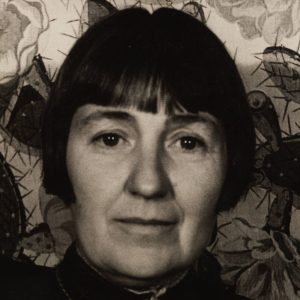
Lucy L’Engle, an American painter known for her abstract style that evolved from Cubism to representational art, arrived in Provincetown in 1916. This coastal town became a significant part of her artistic journey and personal life.
Born on September 26, 1889, in Manhattan to a wealthy family, Lucy was exposed to the arts from a young age. She pursued her education at the Art Students League in New York and later studied informally with notable artists like Albert Gleizes in Paris. Her early training laid the foundation for her unique artistic voice.
In 1916, after spending time studying art abroad, Lucy moved to Provincetown with her husband, William L’Engle. The couple was drawn to this vibrant artist colony that had become a hub for modernist painters and writers. They purchased a house near the Provincetown Wharf Theater, which allowed them to immerse themselves in the local art scene.
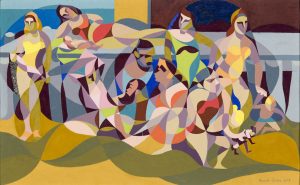
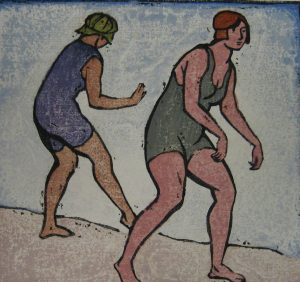
During her time in Provincetown, Lucy L’Engle became an integral part of the community of artists. She participated actively in exhibitions at the Provincetown Art Association and Museum (PAAM), contributing works that showcased her evolving style. Her paintings often reflected the local landscape and culture while incorporating elements of Cubism and abstraction.
The couple’s home became a gathering place for fellow artists and intellectuals, fostering collaboration and inspiration. Lucy’s work during this period was characterized by experimentation with form and color, which critics noted as having a “rare personal quality” and “freshness of viewpoint.”
Lucy L’Engle continued to paint throughout her life, even after William’s death in 1957. She maintained strong ties with PAAM and contributed significantly to its exhibitions until her own passing in 1978. Her legacy is preserved not only through her artwork but also through the influence she had on future generations of artists who followed in her footsteps.