BOOKS ::: ART ::: THEATRE :::
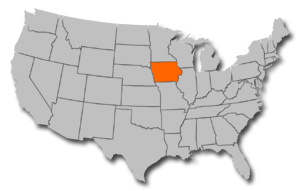
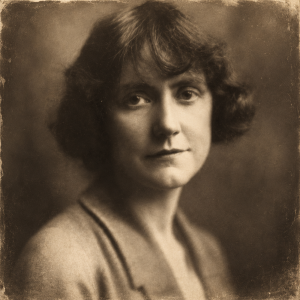
Before she became a Pulitzer Prize-winning playwright, Susan Glaspell was a newspaper reporter in Davenport, Iowa, covering courts, political debates, and one notorious murder trial whose echoes would later become Trifles. Those years taught her that the most important stories were often hidden beneath the surface—a lesson that would define her fiction and drama. As a novelist, journalist, actress, and playwright, Glaspell rejected melodrama in favor of psychological truth, creating complex women, moral ambiguity, and a distinctly American voice at a time when the nation’s theatre was still looking to Europe for its inspiration.
In 1915, Glaspell and her husband, George Cram Cook, gathered a circle of writers and artists in Provincetown to stage original plays outside the commercial Broadway system. That summer experiment became the Provincetown Players, a company widely regarded as the birthplace of modern American theatre, where Glaspell and Cook helped launch the careers of Eugene O’Neill and a generation of new American playwrights. Glaspell’s own plays—including Trifles, now considered one of the greatest one-act plays in the American canon—demonstrated that profound drama could emerge from ordinary lives, quiet conversations, and the moral choices hidden in everyday experience. Her Pulitzer Prize-winning Alison’s House confirmed what the Provincetown Players had already made clear: American theatre had found its own voice.
Susan Glaspell’s greatest achievement was not simply the remarkable body of work she left behind—it was the artistic ecosystem she helped create. She believed that theatre should be a laboratory for new ideas rather than a factory for commercial success, a place where writers could experiment, fail, and discover entirely new forms of expression. More than a century later, the spirit of the Provincetown Players still echoes wherever artists choose collaboration over convention and originality over certainty. In that sense, Glaspell’s legacy is not confined to the stage. It lives wherever people gather to make something that has never existed before.