BOOKS ::: ART ::: THEATRE :::
America’s recognised master of the popular short story.
Land’s End isn’t about a place — it’s about what people become when the map runs out.
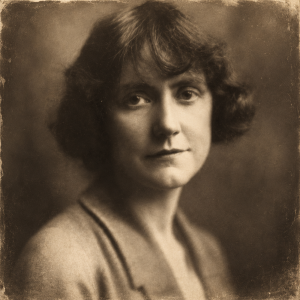
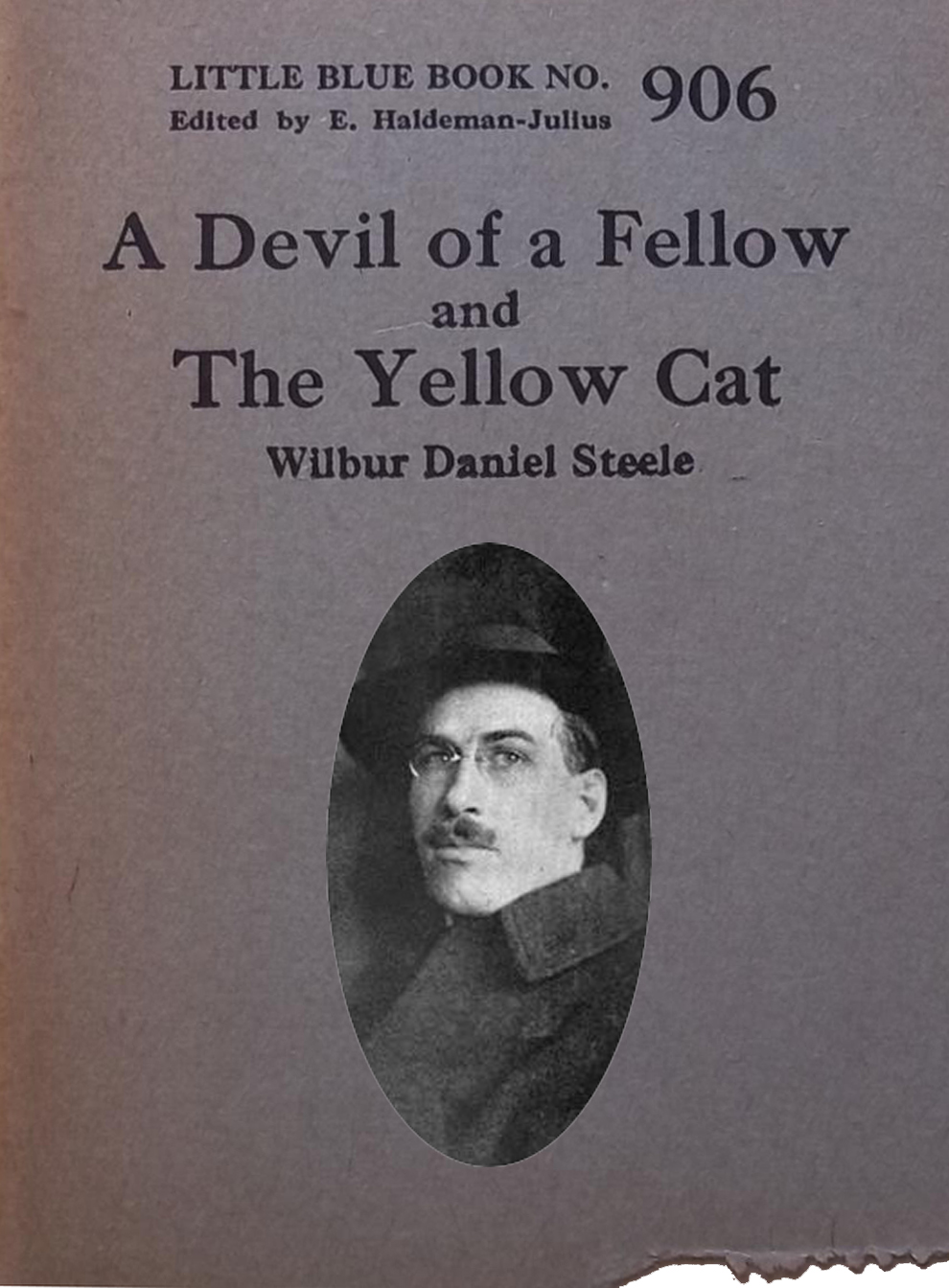
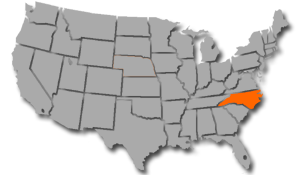
Wilbur Daniel Steele would become one of the early 20th century’s most widely read masters of the American short story. Born in Greensboro in 1886, Steele moved through journalism, travel writing, and fiction before establishing himself in magazines and literary journals during the 1910s. His stories—often psychological and atmospheric—earned national attention and later a Pulitzer Prize in 1930 for Land’s End. At a time when short fiction dominated American magazines, Steele helped define the form for a mass audience.
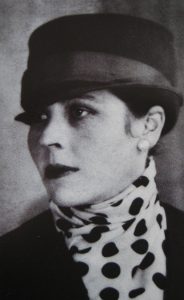
Steele also moved through one of the most important artistic laboratories in American theatre: Provincetown Players in Provincetown. The group included figures such as Eugene O’Neill and Susan Glaspell, who were redefining what American drama could be. In the small wharves and makeshift stages of Provincetown, writers, painters, and actors shared ideas freely. Steele’s literary sensibility—part journalism, part psychological portrait—fit naturally into a place where experimentation was the rule rather than the exception.
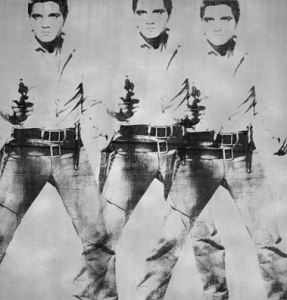
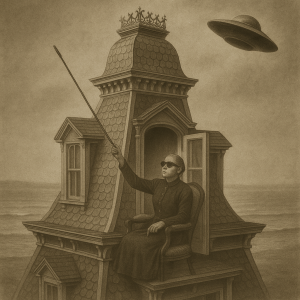
That same experimental spirit continues this spring at the Red Room in Provincetown. On May 8, 2026, the Outsider Festival Pop-Up Playhouse presents a three-play evening: Showdown at the Silver Factory, Low Tide, and Hughie. Tickets go on sale March 21, 2026. In a town where the Provincetown Players once changed American theatre, the signal still travels—from the early short story masters to the stage lights rising again.